We start with clear, practical guidance on choosing a safe butt plug and learning the best way for comfortable, confident play.
Our aim is plain: explain what this sex toy does, who may enjoy it, and how to approach the body with respect and slow pacing.
We note that a butt plug stays in place to offer steady fullness and nerve stimulation, unlike toys meant for thrusting or movement.
Safety matters. Choose nonporous materials such as medical‑grade silicone, stainless steel, or glass, and insist on a flared base for protection.
Lubrication is nonnegotiable. Water‑based lube works with all materials; silicone lube pairs best with glass and metal.
Preparation helps most people. Emptying the bowels, a quick wash, and a calm headspace make insertion and wearing smoother. Consent, communication, and stopping for pain are core practices.
Key Takeaways
- Choose safe materials: nonporous and with a flared base.
- Go slow and listen to bodily feedback.
- Use plenty of lube, matched to the toy material.
- Prep matters: bathroom timing and hygiene improve comfort.
- Consent and communication guide every step.
What butt plugs are and why people use them
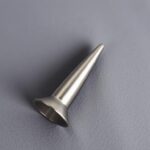
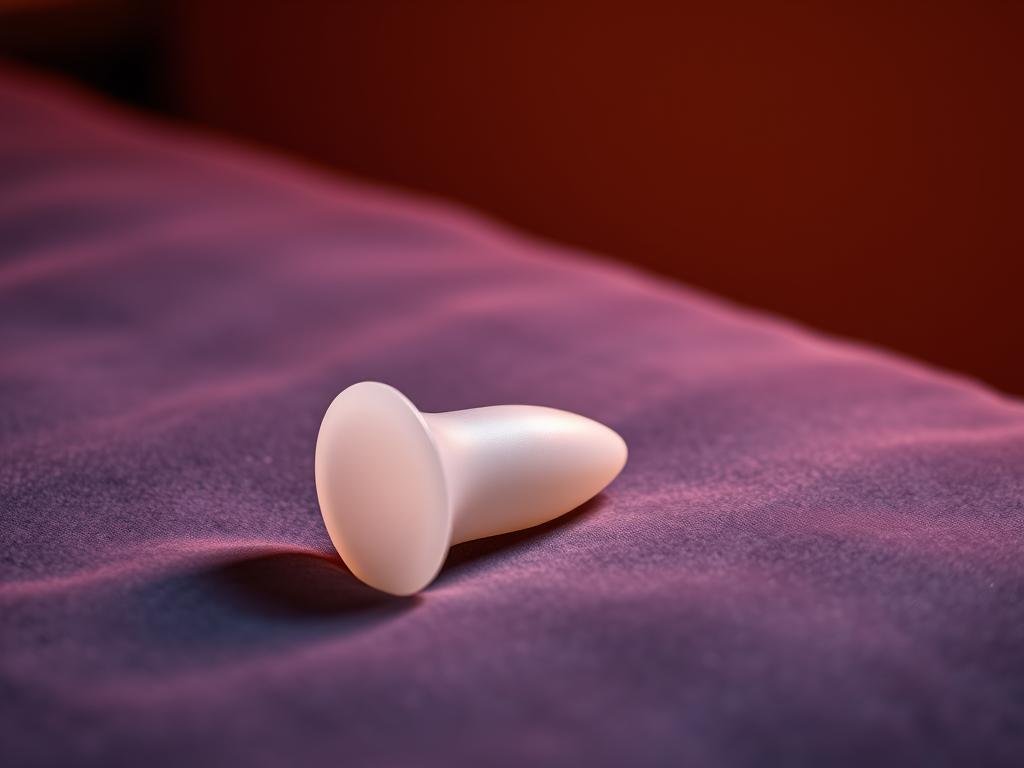
A butt plug’s design centers on a tapered tip, a narrow neck, and a flared base. This shape helps the toy sit securely and give a steady sense of fullness. Some models vibrate or include remotes. Others have decorative bases or are shaped for prostate reach.
The tip and neck stimulate nerve receptors around the anus and, depending on anatomy, the prostate or nearby vaginal walls. That stimulation can feel pleasurable and can also help muscles relax before further sex or play.
People choose plugs for different reasons. Some warm up before penetrative sex. Others like the steady pressure during solo or partnered sex. Preferences are personal and not limited by gender or orientation.
- Stationary sensation: plugs stay in place and differ from thrusting toys.
- Variety: sizes, vibrating options, and prostate-specific shapes exist.
- Safety: a wide base or retrieval ring prevents deeper travel into the rectum.
Safety first: body-safe materials, sizes, and the flared base
Safety starts with the choices we make about materials, size, and base design. Selecting nonporous items and a secure base is the simplest way to reduce complications. We emphasize practical choices that you can clean, trust, and store safely.
Choosing nonporous materials: medical-grade silicone, stainless steel, and glass
Medical-grade silicone, stainless steel, and Pyrex glass are nonporous and easy to disinfect. These materials do not trap bacteria and are less likely to leach chemicals over time.
Picking the right size and a proper flared base for safer anal play
Start with smaller sizes and progress slowly. Many training kits offer graduated options that let tissues adapt without strain.
Always select a true flared base or a solid retrieval ring. A wide base prevents a plug from being drawn into the rectum, which can lead to emergency removal.
Materials to avoid and why porous toys increase risk
Avoid porous goods such as rubber, vinyl, nylon, leather, and some plastics or acrylics. These items are harder to clean and may increase infection or chemical exposure risk.
- Nonporous picks: silicone, steel, glass—easy to disinfect.
- Porous avoids: rubber, vinyl, leather, certain plastics.
- Choose size wisely and store sex toys clean and dry.
Preparation and hygiene for comfortable anal play
We plan practical steps that make prep simple and lower the chance of mess or discomfort. A short routine and a calm headspace help us relax and enjoy play.

Timing and bathroom steps
Give yourself one slot of time to use the bathroom 30–60 minutes before play. Emptying the bowels in that window often reduces discomfort and lessens surprises.
Cleaning: shower, soap and cautious rinses
A warm shower or a gentle external wash with mild soap and plain water is usually enough to feel fresh. Check the toy for cleanliness before use.
- Douching: If chosen, use a reusable bulb and a shallow rinse with plain water. Avoid single‑use laxative douches or deep rinses.
- Frequent deep douching can thin natural mucus and raise infection risk; showering is a safer default.
- Wash hands before and after. Do not move from the butt to the genitals without cleaning to lower UTI risk.
- Small prep things help: trim nails, lay out towels, and place lube and gloves within reach.
| Option | Effectiveness | Risk |
|---|---|---|
| Shower with soap | High | Low |
| Reusable bulb rinse | Moderate | Medium if overused |
| Laxative single‑use douche | Variable | Higher |
We normalize small accidents and recommend a low‑stress approach. A clean toy, calm breathing, and basic hygiene make play safer and more comfortable for people who choose butt plugs.
Lube matters: selecting and using lubrication the right way
We rely on plentiful lube because the anus does not self‑lubricate and needs extra glide. Generous application reduces friction and makes insertion and wear far more comfortable.
Compatibility depends on material. Use water formulas with silicone toys to protect the surface. Silicone lube pairs well with glass and metal. Oil or hybrid products usually work for glass and metal but may damage latex barriers.
Applying lube inside and out
Coat the butt plug and the entry first. Then apply a small, clean finger or a lube applicator to the canal so the inside is lubricated, not just the outside.
Gloves—nitrile or latex—help keep things tidy and make internal application easier. Keep extra lube within reach; thin products may need reapplication while playing.
Safety and viscosity
Thicker gels often stay put better for anal sex and training. Thinner water mixes may feel slick but absorb faster.
Avoid numbing creams. They hide pain, which signals overstretching or micro‑tears and risks serious injury.
| Type | Best with | Notes |
|---|---|---|
| Water‑based | silicone toys, latex barriers | Safe with most materials; may need reapply |
| Silicone | glass, stainless steel | Long‑lasting; avoid with silicone toys |
| Oil/Hybrid | glass, metal | Not recommended with latex; check labels |
Spot‑test new products on the wrist if you have sensitivities. For more on product choices, see our guide to lubrication options for bottoming.
How to use an anal plug: step-by-step insertion guide
A slow first step is breath, a lubricated finger, and quiet focus on relaxing muscles. We breathe evenly and let the body soften. A calm start helps reduce butt tension and readies the area for insertion.
Warm-up: breathing and a lubricated finger
We circle the external sphincter with a lube‑coated finger and wait for the internal sphincter to ease. Quiet patience matters; small, gentle touches help muscles release.
Finding a comfortable position
Try side‑lying with knees bent, on the back with knees up, or all fours. Pick the posture where our butt muscles feel most relaxed and the plug aligns naturally.
Insertion technique
Step by step: lube the plug generously, rest the tip at the anus, apply slow steady pressure, add a slight twist, and pause if you hit resistance. If pain occurs, stop, add more lube, or try a smaller plug.
We describe the “pop” moment when the widest point passes the sphincter; a deep breath helps that transition.
Communicating with a partner
Set boundaries, check in often, and pick a safe word. Agree on speed, depth, and when to pause. Clear signals keep play consensual and comfortable.
“Slow, patient steps and open communication make insertion safer and more pleasurable for everyone involved.”
- Start small and progress across sessions.
- Take breaks; reapply lube when needed.
- Celebrate small wins—comfort grows with time.
| Action | Purpose | Tip |
|---|---|---|
| Breathing and finger warm‑up | Relax sphincters | Circle the rim, wait until tension drops |
| Position testing | Find natural muscle release | Side‑lying often feels least tense |
| Slow pressure & twists | Ease widest point through | Pause at resistance and add lube |
Wearing your plug: duration, sensations, and play ideas
Wearing a plug can change how we feel for minutes or hours, so pacing and attention matter.
Beginners often try a few minutes and then lengthen sessions across visits. Some makers suggest about 30 minutes for first times, while others say 2–3 hours is fine if we remain comfortable. Our guide is simple: comfort and steady breathing decide the time.
How long to keep it in and signs to take a break
Watch for muscle fatigue, slipping, or numbness. Those signs tell us to stop and rest. Sharp pain, persistent urge to evacuate, or any worrying change means immediate removal and reassessment.
Solo and partnered play: vibration, prostate stimulation, and prep before anal sex
Vibrating plugs and remote models add another layer of sensation. Prostate‑shaped plugs can heighten pleasure for people with prostates. Many wear a plug briefly as a warm‑up to relax tissues before anal sex; this often eases later penetration.
- Start short and increase wear time across sessions.
- Pair plugs with external vibration or remote control for varied stimulation.
- Experiment with size and shape gradually; never rush increases.
- Check in often with partners and change positions if comfort dips.
| Typical Duration | Signs to Stop | Play Idea |
|---|---|---|
| Few minutes (beginners) | Muscle fatigue, slipping | Solo steady fullness during masturbation |
| 30 minutes (common starter limit) | Numbness, sharp pain | Remote vibration while relaxing |
| 1–3 hours (advanced, if comfortable) | Persistent urge to evacuate, soreness | Warm‑up before anal sex or partnered play |
| Intermittent wearing | Any unusual bleeding | Switch sizes across sessions for training |
Removing the plug and post-play aftercare
When it’s time to finish a session, slow, steady removal keeps things safe and calm.
Safe removal tips: Pause, breathe, and add fresh lube around the base. We bear down gently, like having a bowel movement, while we draw the plug out slowly by its flared base. Avoid tugging hard or straining; relaxation around the anus eases exit and cuts risk of pain.
If the toy feels stuck, don’t panic. Reapply lubricant, breathe, and wait a few minutes. Try again without force. If bleeding continues, severe pain happens, or the plug cannot be retrieved, seek medical care right away.
- Minor streaks of blood may occur; rest and a warm bath often help soothe irritation.
- Wash hands and clean the toy promptly after use.
- Hydrate and check the body for lingering discomfort.
- When a partner is involved, debrief gently about what felt good and what didn’t.
“Aftercare is part of consent: keep checking in with ourselves and each other even once the plug is out.”
Note: If you move from butt play to genital contact, change gloves or wash hands and use a fresh barrier. Thoughtful aftercare protects health and supports future safe, enjoyable sex.
Cleaning, storage, and when to seek medical care
Proper cleaning and careful storage keep toys safe and extend their life. We follow simple steps so our gear stays hygienic and ready for safe play.
Basic cleaning and what to avoid
Clean nonporous plugs with warm water and gentle soap. Rinse well and let items air dry completely.
Silicone and stainless steel that lack electronics may be boiled for up to 10 minutes for extra sanitation. Do not submerge vibrators; wipe them carefully so internal parts stay dry.
Storing by material, size, and type
Store each sex toy dry and separated by material. Use cloth pouches or labeled containers so we can find the right size or type quickly.
Keep glass and silicone items apart to prevent damage and color transfer. Inspect toys for tears or seam wear before insertion.
When medical help is needed
Seek care for a stuck plug, persistent bleeding, severe pain, fever, or signs of allergic reaction like burning or rash. ER visits for retained objects are common and clinicians handle them routinely.
| Action | When | Notes |
|---|---|---|
| Soap + warm water | Daily cleaning | Safe for most nonporous materials |
| Boiling | Non‑vibrating silicone, steel | Up to 10 minutes; not for electronics |
| Wipe only | Vibrators | Avoid soaking; protect internal parts |
| Seek ER | Stuck object, heavy bleeding | Medical help is appropriate and common |
Conclusion
We end with a simple routine: pick a nonporous item with a wide base, bring plenty of lube, and move up sizes in one small step at a time.
Give the anus and surrounding muscles quiet moments of relaxation and allow extra time when inserting or removing. If discomfort appears, slow down, change size, or stop.
Choosing quality silicone or stainless steel often turns curiosity into steady pleasure. Check in with a partner about limits and signals so play stays collaborative.
Afterward, remove gently, clean the item, hydrate, and rest. With safety and listening as our guides, exploring anal play or anal sex can grow into reliable, enjoyable practice.